Brazil Market Overview: Key Industries and Strategic Opportunities
Brazil is one of the world’s largest and most diversified economies, offering opportunities across agribusiness, energy, technology, manufacturing, and healthcare. This article explores the country’s key industries, why global companies are investing in Brazil, and how to enter the market efficiently.

Author: Victor Abussafi
Feb 02, 2026 | 6 min read
Categories
Key Industries and Strategic Opportunities
Brazil is one of the world’s largest and most diversified economies. With a strong domestic market, global export relevance, and increasing demand for innovation, the country has become a strategic destination for international companies looking to expand beyond their home markets.
This overview explores why Brazil continues to attract global attention, which industries are driving growth, and how foreign companies can approach market entry in a structured and efficient way.
Why companies are looking at Brazil
Brazil combines scale, natural resources, and industrial capacity in a way few markets can match. It is not only one of the largest economies globally, but also a country with more than 200 million consumers and a central role in global supply chains.
For many international companies, Brazil offers a dual opportunity. On one side, it represents a large internal market with consistent demand across sectors. On the other, it acts as a strategic gateway to Latin America, allowing companies to build regional operations from a single, influential base.
Growing demand for technology, services, sustainability, and operational efficiency continues to attract foreign investment, especially from companies willing to adapt their entry strategy to local realities.

Key industries shaping the Brazilian market
Agribusiness and food production
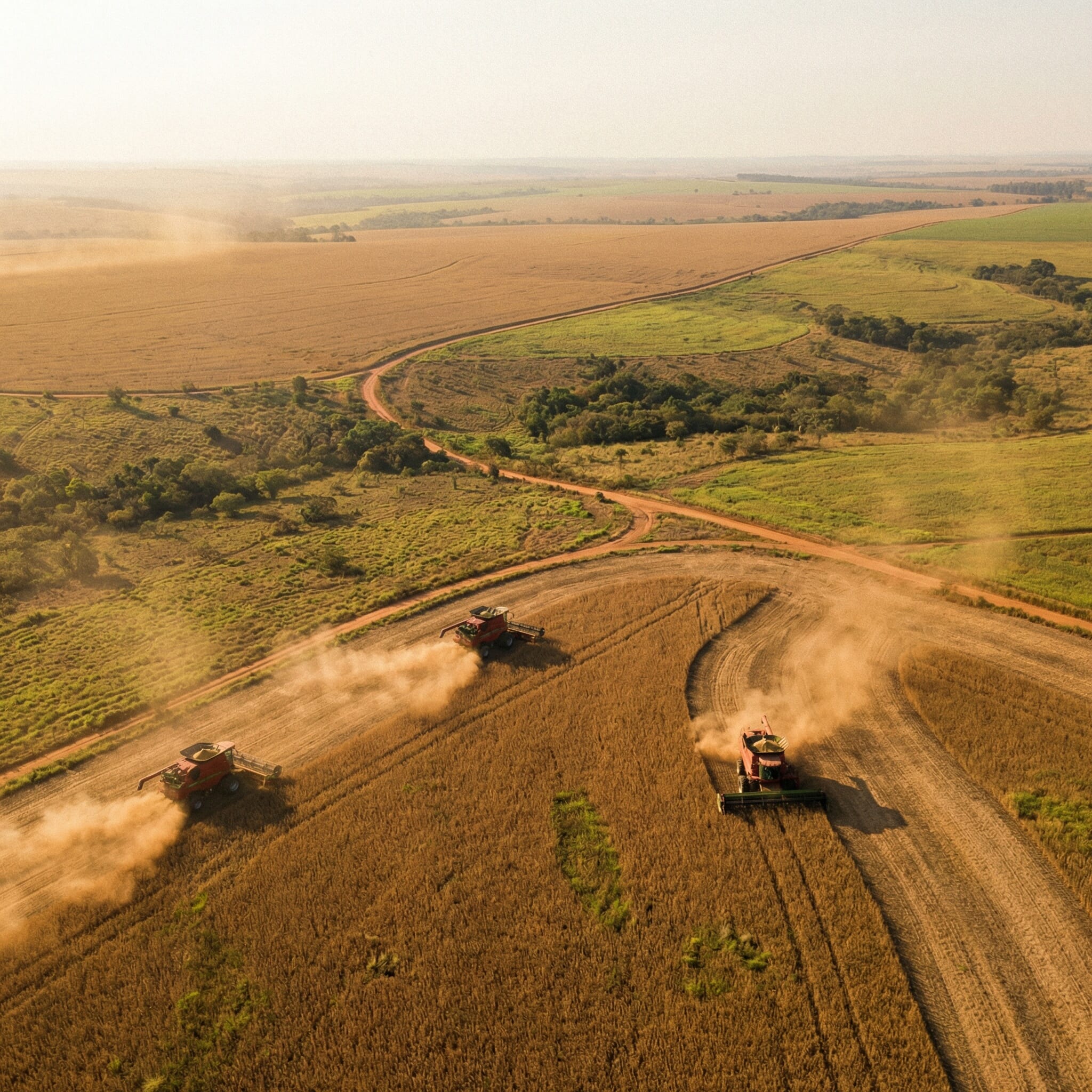
Agribusiness is a pillar of the Brazilian economy and one of its most globally competitive sectors. Brazil is a leading exporter of grains, proteins, sugar, coffee, and bioenergy, supplying markets across Asia, Europe, the Middle East, and Africa.
International companies find opportunities not only in production, but also across the value chain. Agricultural inputs, machinery, animal nutrition, AgTech, and sustainability-driven solutions all play an important role as the sector continues to modernize and scale.
Energy and natural resources
Brazil has one of the most diversified energy matrices in the world, supported by abundant natural resources. Renewable energy plays a central role, with strong capacity in hydro, wind, solar, and bioenergy.
At the same time, oil and gas and mining remain critical industries, attracting international players involved in extraction, engineering, services, and energy transition initiatives. As sustainability becomes a strategic priority, Brazil is increasingly relevant in global clean energy and decarbonization projects.

Wide Brazil helps international companies build local teams simply, safely, and fast — without the burden of entity setup or compliance risk.

Manufacturing and industrial goods
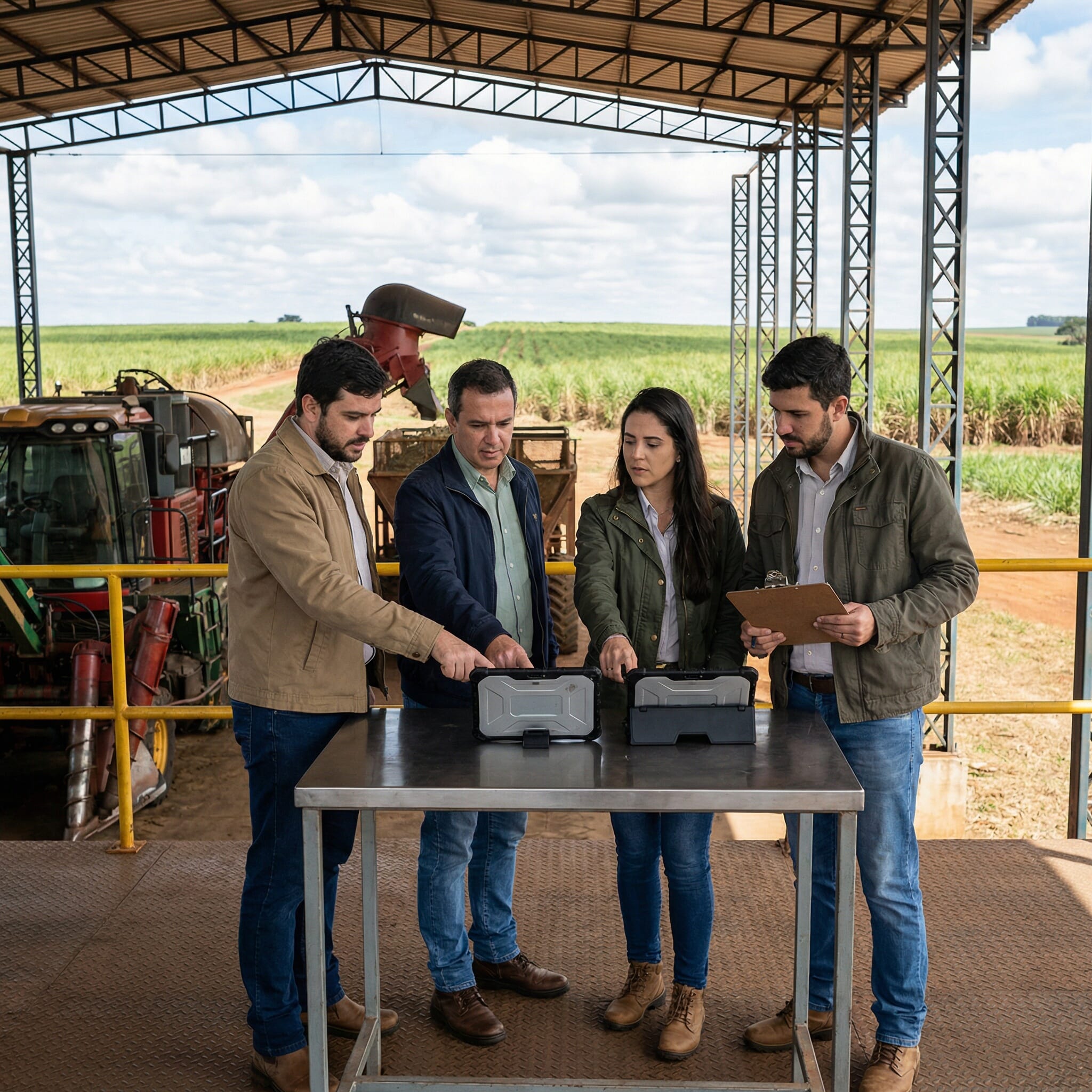
Brazil has a large and sophisticated industrial base that serves both domestic demand and export markets. Industries such as automotive, machinery, equipment, chemicals, and industrial inputs continue to rely on local production and technical expertise.
For foreign companies, success in this sector often depends on proximity to clients, local technical support, and after-sales capabilities. The size of the internal market makes local teams a strategic advantage rather than a cost.
Technology and digital services
Brazil is one of the largest technology markets in Latin America and home to a fast-growing digital ecosystem. Software development, IT services, fintech, digital payments, e-commerce, and logistics technology are expanding rapidly.
Many international companies build engineering, support, and product teams in Brazil to serve both local and global operations. Time zone alignment, strong technical talent, and competitive costs make Brazil an attractive base for distributed tech teams.
Healthcare and life sciences
Brazil’s healthcare sector continues to expand, driven by population growth, innovation, and increased private investment. Opportunities range from medical devices and pharmaceuticals to biotech, diagnostics, clinical research, and digital health solutions.
As demand for quality healthcare grows, international companies play an important role in bringing technology, expertise, and scalable solutions to the market.

Common challenges when entering the Brazilian market
Despite its potential, Brazil presents operational and regulatory challenges for foreign companies. Labor and payroll rules are complex, tax compliance requires local expertise, and entity setup can be bureaucratic and time-consuming.
In addition, recruiting and managing local teams remotely can be difficult without on-the-ground knowledge. These factors often slow down expansion or increase operational risk when companies enter the market without a clear structure.
How companies enter Brazil efficiently
To reduce complexity, many international companies start with a focused approach. Rather than opening a legal entity immediately, they build small local teams, test the market, and validate demand before committing to long-term structures.
One increasingly common strategy is working with local partners and using an Employer of Record (EOR) model. This allows companies to establish a compliant local presence quickly, while keeping flexibility as the business evolves.


How Wide Brazil supports market entry
Wide Brazil supports international companies entering Brazil by combining local recruitment expertise with a fully compliant Employer of Record model.
Through this approach, companies can hire professionals in Brazil without opening a local entity, remain compliant with labor and payroll regulations, and build sales, technical, operational, or leadership teams aligned with their expansion goals.
As the market develops, teams can scale naturally, without forcing early structural decisions or unnecessary risk.

OUR SERVICES