Brazil’s Agribusiness Market: Why Global Companies Are Building Teams Here and How to Do It Right
Brazil exports over $160 billion in agricultural products every year. It leads globally in soybeans, beef, chicken, sugar, orange juice, and coffee simultaneously. For global agribusiness companies, being absent from this market is a decision. It just usually doesn’t feel like one until a competitor shows up with a local team you don’t have.

Author: Wide Brazil
Apr 27, 2026 | 6 min read
Categories
The dynamic in Brazilian agribusiness is not subtle.
Companies with regional commercial teams sales managers in Mato Grosso, field agronomists in Goiás, and key account reps working directly with large producers consistently outperform those managing Brazil from a São Paulo office, or worse, from outside the country.
The relationship between agronomist and producer is the fundamental commercial unit here. You can’t build that remotely.
This post covers where the market actually is, which sectors are attracting international investment, what the talent landscape looks like, and what compliant hiring in Brazil requires in practice.
The scale, without the superlatives
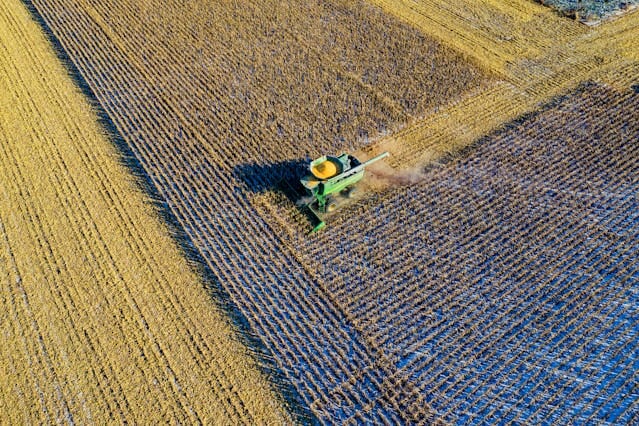
Brazil’s agribusiness export base grew from $120 billion in 2021 to over $160 billion in 2024. A 33% expansion in three years, through supply chain disruption, price volatility, and significant geopolitical stress.
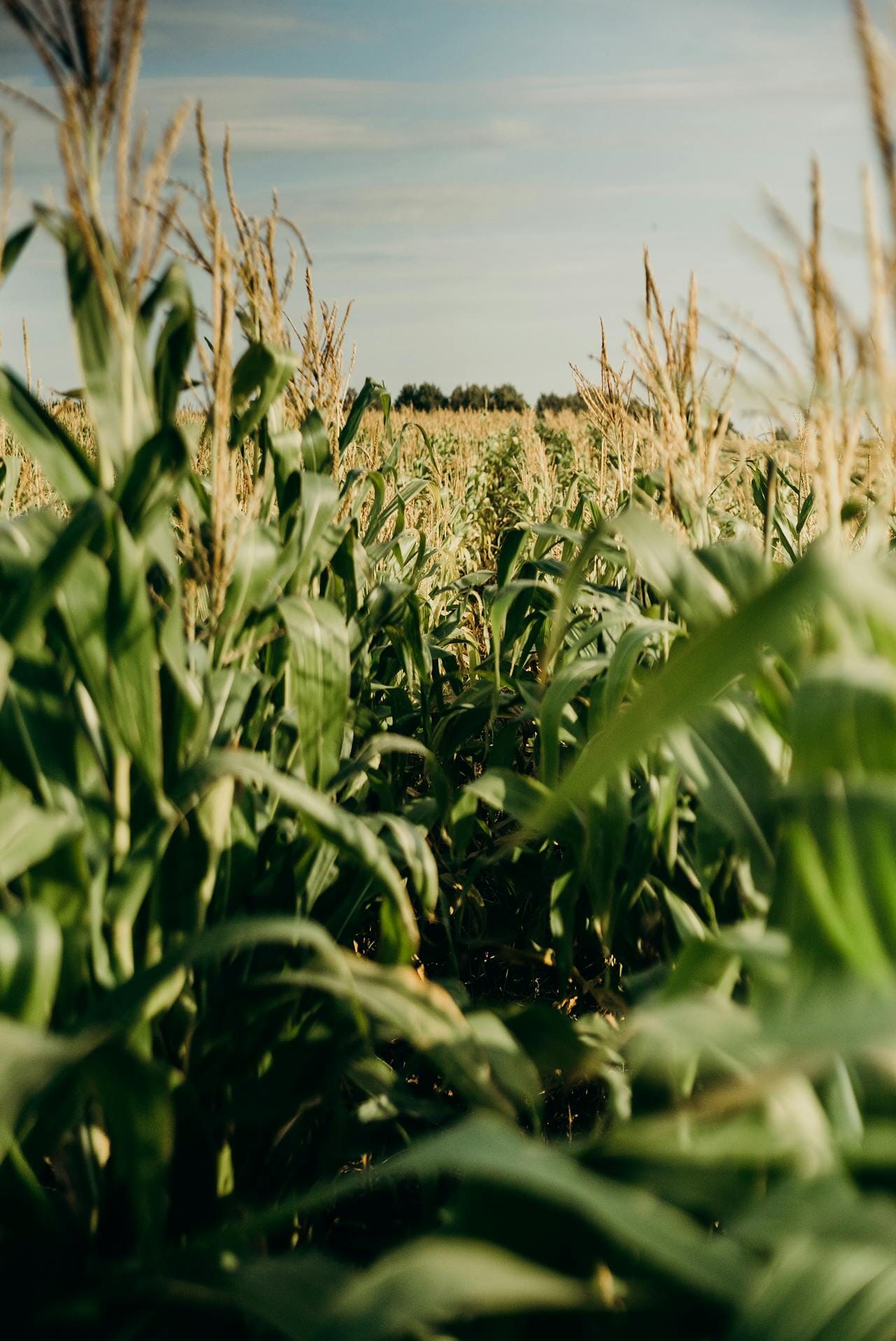
The growth is structural: over 220 million hectares under cultivation, double-cropping systems most of the world can’t replicate, and year-round production enabled by a tropical climate.
The country feeds roughly 180 countries and sets global commodity prices in soybeans, corn, beef, poultry, and sugar at the same time.
Soybeans are 27% of exports. Beef 18%. Corn 15%.
This concentration matters because it creates deep commercial ecosystems around each commodity inputs, machinery, logistics, genetics, precision farming, and sustainability all operating at scale simultaneously.
Brazil’s agricultural geography is not uniform
A commercial strategy built for São Paulo rarely works in Mato Grosso without modification. Understanding this geographic reality is one of the first things that separates companies that gain traction from those that don’t.
Mato Grosso is Brazil’s largest agricultural producer, dominant in soybeans, corn, and cattle, running intensive double-cropping cycles across the Cerrado.
Goiás and the MATOPIBA corridor (Maranhão, Tocantins, Piauí, Bahia) are the active frontier the last large-scale expansion of productive arable land in the world, drawing serious investment from global players looking to lock in supply relationships early.
Paraná and Rio Grande do Sul lead in technology adoption, with the highest precision agriculture uptake in the country, and strong production in wheat, soybeans, and poultry.
São Paulo and Minas Gerais are the corporate hub, home to most multinational agribusiness offices and the bulk of sugarcane, coffee, and orange juice production.
Most international companies anchor their headquarters in São Paulo, which makes sense for governance and finance.
Their key customers, though, are in Mato Grosso and Goiás. Technical and commercial teams that stay in São Paulo consistently lose ground to competitors who’ve put people in the field.
Where international companies are actually investing
Six sectors are drawing sustained international attention.
Seeds and crop protection benefit from Brazil’s tropical genetics demand and year-round field activity. Global seed companies run major R&D operations here. The double-cropping calendar means commercial cycles never fully stop.
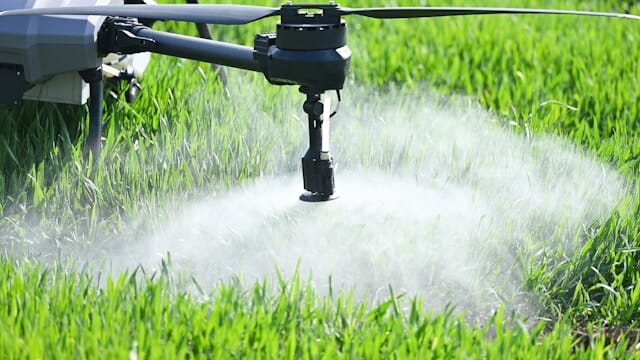
AgriTech and precision farming attracted over $13 billion in investment, with Brazil operating at a scale that makes it without much exaggeration the world’s largest real-world laboratory for biologicals, satellite monitoring, and digital agriculture platforms.
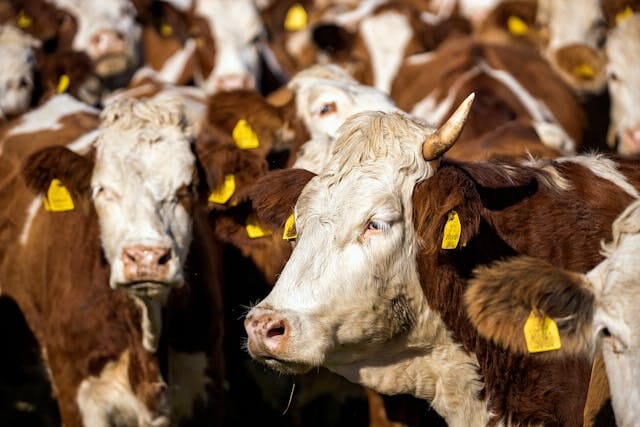
Animal protein and genetics: Brazil leads globally in beef exports, and genetics companies are scaling local operations to capture demand from producers upgrading their herds.
Fertilizers and soil health: Brazil imports roughly 75% of its fertilizers. That structural dependency has made the country a commercial priority for global fertilizer and soil health players building local distribution networks.
Machinery and equipment: Brazil is the second largest agricultural machinery market globally. After-sales networks, technical support teams, and local financing operations are increasingly built on the ground rather than serviced from abroad.
Bioenergy and sustainability: ESG pressure and a 14%+ biodiesel blend mandate are creating new commercial roles in carbon markets and renewable energy within agriculture a segment that barely existed five years ago.

The talent market
Brazil has over 180,000 registered agronomists the largest pool in Latin America and 5.3 million direct jobs across farming, agritech, food processing, and bioenergy.
The profiles international companies need are already here: regional commercial managers, field agronomists, key account managers for large producers, precision agriculture specialists, country directors, and supply chain leaders.
What doesn’t work is standard recruiting.
The best agronomists and commercial leaders in Brazilian agribusiness are not posting CVs on international platforms. They’re embedded in existing operations, trusted by producers they’ve worked with for years, and only reachable through active headhunting and sector-specific networks.
Companies that post on LinkedIn and wait get candidates who are already looking a much smaller and less experienced pool than what’s actually available.
What hiring compliantly actually requires
Setting up a Brazilian legal entity takes 4–12 months and requires local legal, accounting, and tax infrastructure before you can even hire your first employee.
Most agribusiness companies don’t have that kind of time. Commercial seasons don’t wait, and if you need someone in Mato Grosso, you need them in place before the soy planting window closes.
An Employer of Record (EOR) solves this timing problem. It hires your team under full CLT compliance payroll, benefits, FGTS, INSS, and 13th salary while they operate as part of your business.
No entity required. First hire ready in two to four weeks.
Some companies try to shortcut the process by hiring contractors (PJ) to avoid CLT costs. But this often backfires.
Brazilian labor courts frequently reclassify these arrangements, creating significant retroactive liabilities.
In a relationship-driven sector like agribusiness, it’s a risk that rarely pays off.
We produced a full market guide to Brazil’s agribusiness sector the regional landscape, the six commercial segments, the talent market, and the entry path from zero to operational team.
Download the Agribusiness Market Guide →

OUR SERVICES